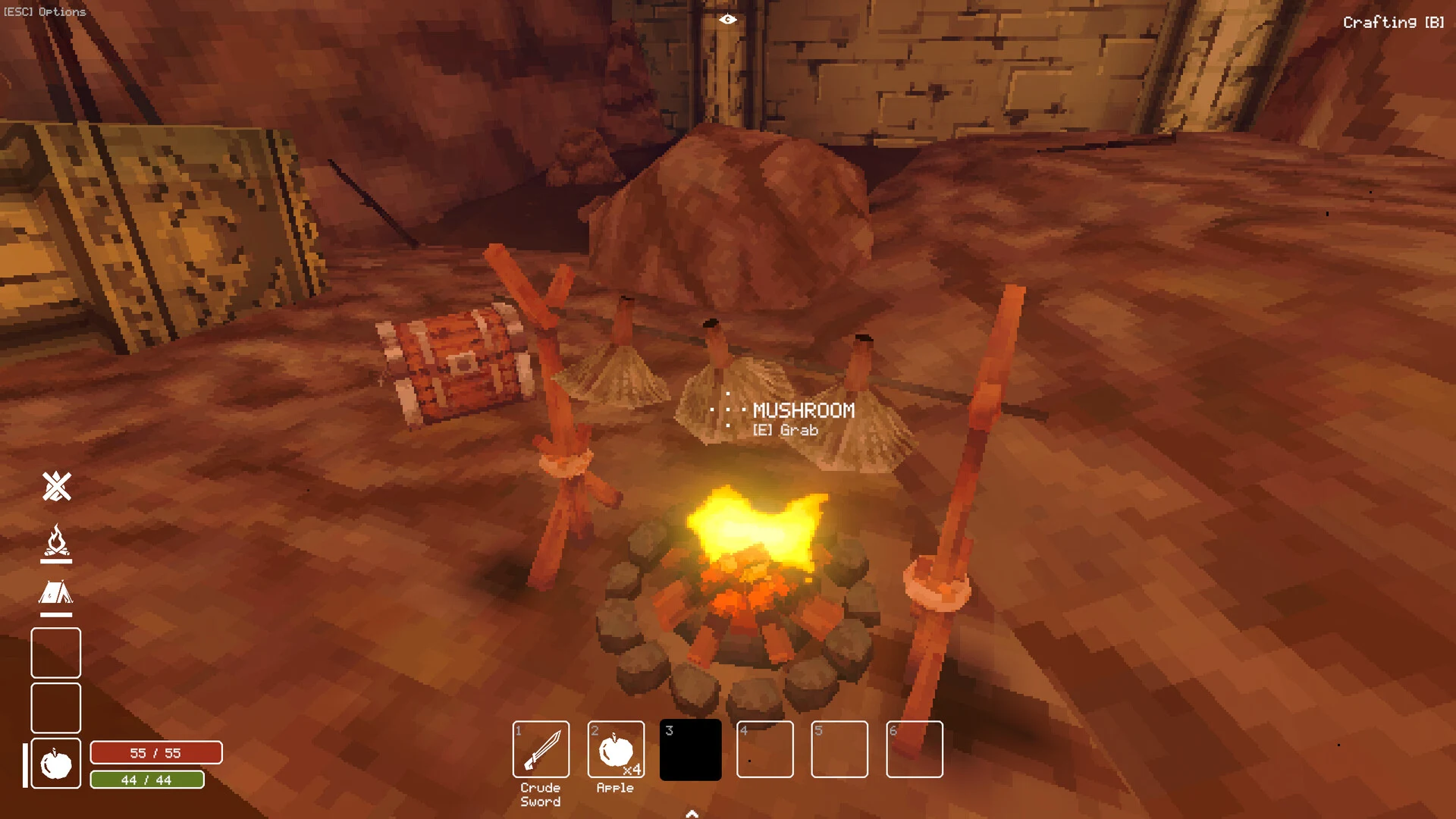
- Deep Dish Dungeon clay is a core crafting material tied to early-game preparation and dungeon progression.
- Best farming habit: gather clay along every explored route instead of making dedicated trips later.
- Top use case: reserve clay for practical tools and cooking-adjacent gear that keep you in the dungeon longer.
- Co-op tip: assign one player as the resource manager so clay is stored, not wasted.
- Remember blocked routes: areas you cannot open now may become clay-rich zones after new abilities.
What Is Clay in Deep Dish Dungeon?
Deep Dish Dungeon is a handcrafted dungeon exploration and survival game from Behold Studios and Raw Fury, blending environmental puzzles, combat, gathering, crafting, and cooking into a single preparation loop. Within that loop, clay functions as one of the foundational gathered materials: a common-purpose resource that feeds into crafting recipes and supports longer, safer dungeon attempts. Because the game's progression follows a Metroidvania-like structure where new abilities unlock previously blocked routes, materials such as clay are worth collecting consistently from your very first run.
The key idea is that gathering is not a separate activity. Clay and similar materials appear along the routes you already walk, and the players who collect as they go are the ones who never have to backtrack for emergency supplies. Every run should end with more materials than it started with whenever possible.
Treat every exploration route as a gathering route. A small stockpile of clay and other materials makes future crafting decisions flexible instead of forced.
Why clay matters in the preparation loop:
| System | How Clay Connects |
|---|---|
| Crafting | Feeds into tools and practical supplies that support exploration |
| Cooking | Supports cooking-adjacent gear and camp preparation |
| Progression | Frees other rare materials for ability-linked recipes |
| Survival | Practical crafted items reduce risky backtracking |
Where to Look for Clay
Handcrafted dungeon areas reward careful observation, and clay is no exception. While this wiki will update exact spawn tables after the full release on October 13, 2026, the reliable pattern from the demo's design philosophy holds: examine side rooms, corners, passages near environmental puzzles, and the edges of branching routes. Direct paths between objectives are the easiest places to skip materials entirely.
Side Rooms and Corners
- High likelihood of missed materials
- Check edges before rushing through
- Revisit after solving nearby puzzles
Near Puzzle Mechanisms
- Interactive objects often sit near resources
- Inspect rooms before activating anything
- Puzzle areas can hide extra passages
Blocked Routes
- Note unreachable areas for later
- Return with new abilities
- Previously sealed zones can be resource-rich
Do not sprint between objectives. Hidden areas and clay deposits are easiest to miss when moving quickly from one goal to the next, and backtracking later costs stamina, food, and tool durability.
Search priority by route type:
| Route Type | Clay Likelihood | Notes |
|---|---|---|
| Side rooms | High | Often skipped by rushed players |
| Puzzle-adjacent passages | Medium-High | Interactive clues nearby |
| Main objective path | Medium | Collected naturally while walking |
| Hidden areas | High | Requires observation or later abilities |
| Previously blocked zones | Variable | Recheck after progression milestones |
Step-by-Step Clay Farming Routine
Follow this routine to build a steady clay supply without derailing your exploration progress. The method works for both solo play and co-op sessions with up to three players.
Clear and Observe Each Room
Before interacting with anything, scan the full room layout. Identify visible resource nodes, interactive objects, hazards, and exits. This prevents missing clay deposits hidden near mechanisms or in corners.
Gather as You Go
Collect clay and other materials along your planned route rather than deferring collection to a later trip. Keep moving systematically so no explored branch is left ungathered.
Sort and Reserve
Do not spend every material the moment it enters your inventory. Keep a practical clay reserve so unexpected crafting needs, such as replacing a broken tool or preparing new cooking gear, never catch you empty-handed.
Craft with Purpose
Identify what is currently limiting progress, whether survival, recovery, traversal, or a blocked route, and spend clay only on recipes that address that need.
Reassess After Each Run
Review what was consumed, what blocked progress, and which materials ran short. Adjust the next run's gathering focus accordingly.
Every dungeon attempt should improve the next preparation cycle, even when it fails to reach a new area. A run that returns with full pouches and clear notes is a successful run.
Clay and the Cooking-Crafting Connection
Clay's value grows when you understand how crafting and cooking interlock in Deep Dish Dungeon. Crafting produces the tools and supplies that keep you exploring; cooking converts gathered ingredients into meals that manage health and stamina. A well-prepared expedition needs both, and clay that is hoarded without purpose is just as wasteful as clay that is spent carelessly.
Preparation decisions by activity type:
| Planned Activity | Clay-Supported Prep | Food Priority |
|---|---|---|
| Combat-heavy route | Durable tools, combat supplies | Health-focused meals |
| Traversal or puzzles | Exploration gear | Stamina-focused meals |
| Long expedition | Balanced supply kit | Mixed health and stamina |
| Revisit of old areas | Light kit, spare tools | Moderate recovery food |
Plan your inventory around the full expedition instead of treating crafted items and meals as unrelated systems. Clay spent on the right tool saves food you would otherwise burn recovering from mistakes.
Co-op resource management tips:
| Tip | Benefit |
|---|---|
| Assign one player as resource manager | Prevents duplicate crafting and waste |
| Discuss clay spending before crafting | Keeps reserves for unavoidable obstacles |
| Share gathering duties per branch | Faster full-route collection |
| Communicate before using limited items | Avoids double-spending rare materials |
Common Clay Mistakes to Avoid
Most clay-related problems in Deep Dish Dungeon come from habit, not scarcity. Avoid these frequent errors and your material economy will stay healthy across runs.
Skipping Side Paths
- Side rooms are the most-skipped clay sources
- Ten extra seconds of checking saves a full backtrack later
Crafting Without a Goal
- Spending clay on items with no immediate use drains reserves
- Always craft for the next obstacle, not hypothetical situations
Ignoring Blocked Routes
- Unreachable areas are future farming zones
- Note their locations and return after ability unlocks
No Post-Run Review
- Failing to track consumption repeats the same shortages
- A quick review fixes the next run's priorities
Clay Management Checklist:
- Scan every room fully before interacting
- Gather clay along all explored branches
- Keep a reserve instead of spending immediately
- Craft only for the current limiting problem
- Review material usage after each run
FAQ
Q: What is clay used for in Deep Dish Dungeon?
Clay is a gathered crafting material that supports the game's preparation loop. It feeds into practical crafted supplies that help you stay in the dungeon longer, handle encounters, and work through environmental challenges, working alongside the cooking system to manage health and stamina.
Q: Where is the best place to farm clay in Deep Dish Dungeon?
The most reliable spots are side rooms, room corners, passages near environmental puzzles, and hidden areas off the main route. Also mark blocked passages you cannot open yet, because Metroidvania-style ability unlocks can turn them into rich farming zones later.
Q: Should I save clay or use it right away?
Craft with a specific purpose but keep a practical reserve. Early in the game, materials are limited, so spend clay only on items that address your current obstacle, such as survival, recovery, or access to a blocked route, rather than preparing for every possible situation at once.
Q: Does clay farming work differently in co-op?
In co-op with up to three players, assign one player as the resource manager and discuss material spending before crafting. Split gathering duties across branches so the party collects full-route resources faster while preserving shared clay reserves for major obstacles.