- Deep Dish Dungeon armor is built through gathering and crafting, not loot drops alone
- Defense is proactive: avoiding damage through positioning matters more than soaking hits
- Pair armor with food: health and stamina meals extend what your gear can survive
- Craft with purpose: invest materials in armor that solves your current dungeon obstacle
- Full release arrives Oct 13, 2026, so expect armor details to expand after launch
How Armor Fits the Deep Dish Dungeon Loop
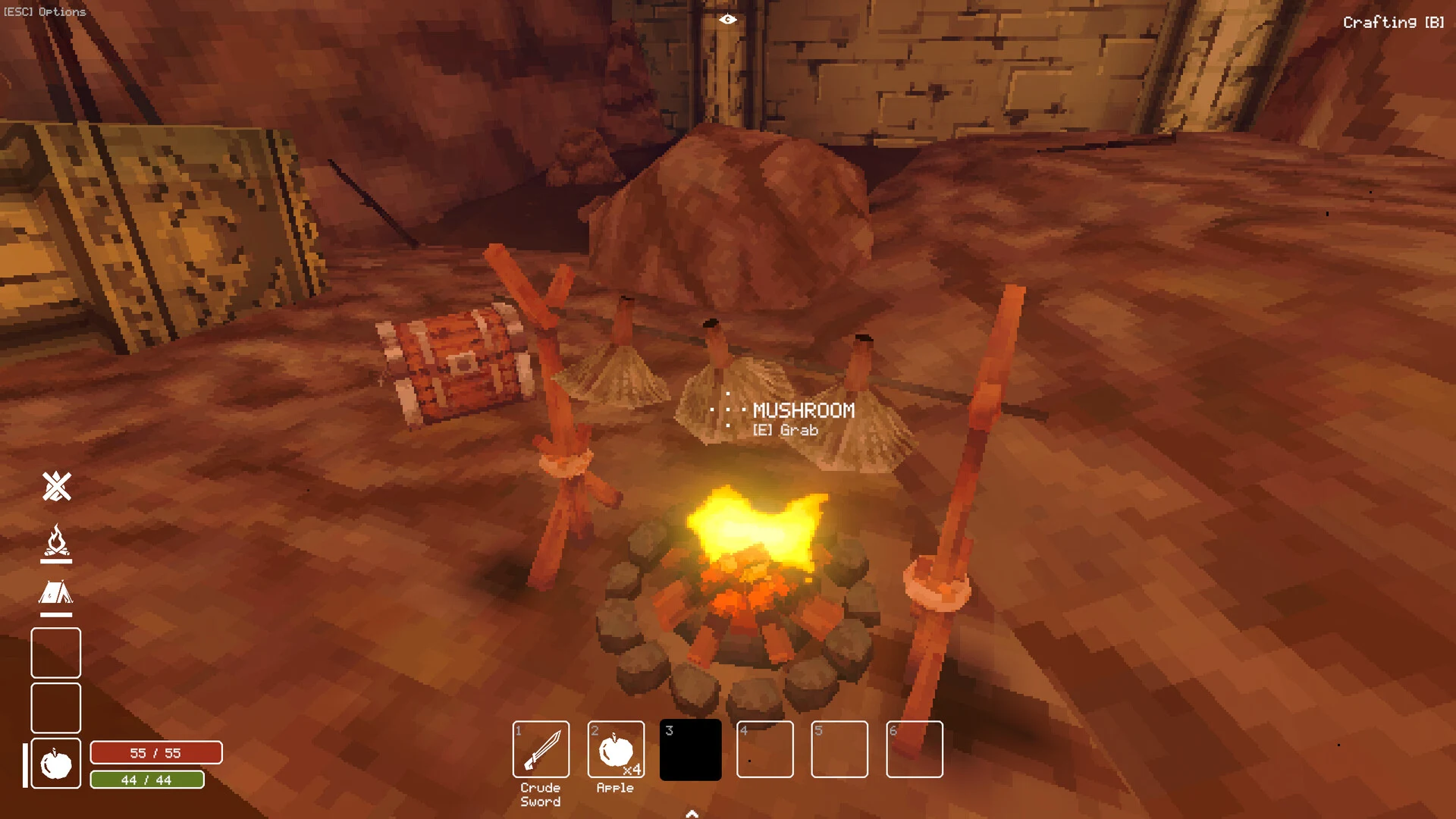
In Deep Dish Dungeon, armor and protective gear sit at the intersection of three systems: gathering, crafting, and combat. The game — developed by Behold Studios and published by Raw Fury — is a handcrafted dungeon exploration and survival adventure where preparation decides how deep a run goes. You explore designed dungeon spaces, collect materials along your route, then convert those materials into tools, supplies, and defensive equipment before pushing into harder sections.
Because the dungeons are handcrafted rather than randomized, the damage you take is largely predictable once you learn enemy patterns. Armor is not a substitute for good positioning — it is a safety net that gives you room for mistakes during dangerous encounters and environmental hazards.
Video Highlights:
- Overview of the exploration, crafting, and combat loop
- How preparation improves deeper dungeon attempts
- Co-op play with up to three players
The full game launches on October 13, 2026 across Steam, Xbox Series X|S, Xbox PC, Xbox Cloud Gaming, and Game Pass. Armor specifics below reflect the confirmed crafting and survival systems; exact armor stats will be documented here once the full release is live.
Armor vs. Other Survival Priorities
Defense is only one part of staying alive. Before spending scarce materials on armor, compare it against your other preparation options. The table below breaks down how armor stacks up against alternative investments in the preparation loop.
| Priority | What It Solves | Material Cost | When to Invest |
|---|---|---|---|
| Armor / protective gear | Reduces damage taken in fights | Medium-High | Before combat-heavy sections |
| Recovery food | Restores health mid-run | Low | Every run, before leaving camp |
| Stamina food | Supports traversal and puzzles | Low | Long exploration routes |
| Tools (torches, gathering) | Access to resources and dark areas | Medium | Early game, before armor |
| Weapon upgrades | Ends fights faster, less exposure | Medium-High | When enemies outpace your damage |
Armor-First Approach
- Best for: risky combat sections
- Forgives positioning mistakes
- Consumes more materials per run
Food-First Approach
- Best for: balanced exploration
- Cheap and repeatable
- Does not reduce incoming damage
Balanced Approach
- Best for: most players and co-op teams
- Modest armor plus steady meals
- Keeps reserves for future recipes
Early materials are limited. Crafting armor for every possible situation leaves nothing for tools, food, and future recipes. Craft for the specific route you are about to attempt.
Step-by-Step: Building Your Armor Setup
Gather Materials While Exploring
Collect resources along every route instead of treating gathering as a separate trip. Check side rooms, passages near environmental puzzles, and resource nodes you pass — these materials feed both crafting and cooking.
Identify Your Main Threat
Before crafting armor, decide what is actually stopping you: enemy damage, environmental hazards, or long exploration routes. Armor that does not address the next obstacle wastes materials.
Craft Defensive Gear with a Purpose
Invest in protective equipment that covers the encounter type ahead — combat-heavy rooms demand different preparation than hazard-filled traversal sections.
Cook Supporting Meals
Combine armor with health- and stamina-supporting food. Meals that affect health management give you more room for mistakes, which multiplies the value of any armor you craft.
Review After Every Run
After returning, assess what damaged you, what armor prevented, and which materials ran short. Use that information to adjust the next crafting plan before diving deeper.
Every run should improve the next preparation cycle, even if you do not reach a new area. Gather, craft, cook, explore, reassess — that loop is how Deep Dish Dungeon progression is designed.
Armor in Solo vs. Co-op Runs
| Factor | Solo | Co-op (Up to 3 Players) |
|---|---|---|
| Damage exposure | All attacks target you | Threats split across the party |
| Armor priority | High — no one can revive mistakes | Medium — teammates can support |
| Resource sharing | You keep everything | Discuss armor materials openly |
| Combat role | Balanced defense needed | Roles allow lighter armor for supports |
| Recovery options | Food only | Food plus teammate coordination |
In co-op, a coordinated party can assign roles — one player draws enemy attention in heavier defensive gear while others handle puzzles, gathering, or safer attacks. Communicate before using limited crafting materials so the group preserves supplies for unavoidable encounters deeper in the dungeon.
Agree on a shared route and material budget before entering a new dungeon section. Splitting up in unfamiliar rooms with thin armor is the fastest way to lose a group run.
Pre-Run Armor Checklist
Before Every Deep Dungeon Attempt:
- Gathered materials along the current route
- Identified the main threat in the next section
- Crafted armor or protection for that specific threat
- Cooked health-supporting food for the run
- Kept a material reserve for future recipes
- Noted blocked routes to revisit after progression
Remember that Deep Dish Dungeon follows a Metroidvania-like ability structure — some passages stay sealed until you gain new abilities. Armor will not open those doors, so balance defense spending against the tools and abilities that actually expand your map.
When a route appears inaccessible, mark its location mentally and move on. Return after gaining a new ability or crafting the right tool — many "armor problems" are actually routing problems.
FAQ
Q: Does Deep Dish Dungeon have traditional armor stats?
The game's confirmed systems center on gathering, crafting, cooking, and combat. Protective gear is part of the crafting loop, but detailed armor stat tables will be documented after the full release on October 13, 2026. Treat armor as one preparation option among food, tools, and abilities.
Q: Should I craft armor or food first in Deep Dish Dungeon?
Food first in most cases. Recovery meals are cheap, repeatable, and support every run. Invest in armor when a specific combat-heavy section is repeatedly damaging you faster than food can recover.
Q: Is armor more important in solo or co-op play?
Solo. In co-op, teammates can draw attention and support recovery, so lighter armor is viable for support roles. Solo players absorb every hit, making defensive preparation a higher priority.
Q: Where do I get armor materials in Deep Dish Dungeon?
Collect materials during normal exploration — side rooms, paths near environmental puzzles, and resource-rich areas along your route. Consistent gathering beats dedicated farming trips because it keeps your crafting and cooking options open.