- Leather in Deep Dish Dungeon is expected to come from creature drops and dungeon gathering nodes.
- Crafting-first loop: materials like leather feed tools, gear, and expedition supplies.
- Official data gap: exact leather sources will be confirmed at the full launch on October 13, 2026.
- Best strategy: farm consistently each run and keep reserves instead of spending immediately.
- Reliable references: check the Steam Demo and official Raw Fury channels for verified recipes.
Leather Overview and Expected Sources
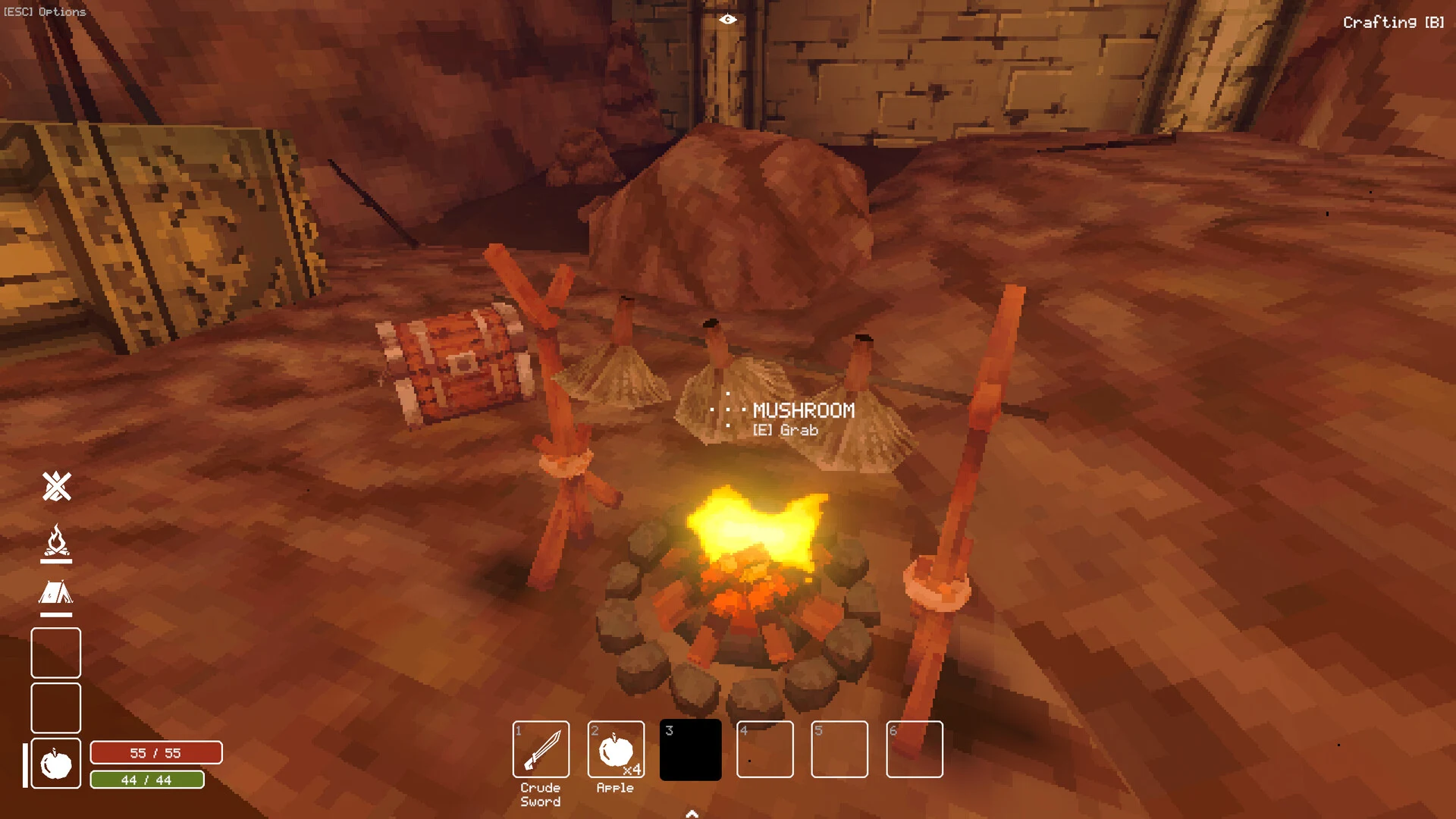
Leather is one of the classic mid-tier crafting materials in survival crafting games, and in Deep Dish Dungeon it is expected to follow the same pattern as other gathered resources: collected during exploration, stored at your camp, and consumed by practical recipes. Because the game's full release arrives on October 13, 2026, the exact leather drop tables and recipes are still being finalized. This guide covers the most reliable ways to approach leather farming based on the systems confirmed in the Demo.
Video Highlights:
- Overview of the exploration, gathering, and crafting loop
- How handcrafted dungeon rooms hide resource nodes
- How cooking and crafting work together during expeditions
The core gathering loop is simple: every dungeon run doubles as a farming opportunity. Leather-type materials in similar games typically come from the source categories below.
| Expected Source Type | How It Works | Farming Priority |
|---|---|---|
| Creature drops | Defeated dungeon enemies drop hides or leather pieces | ★★★★★ |
| Gatherable nodes | Skins, hides, or pelts found in side rooms | ★★★★ |
| Hidden areas | Secret rooms reward rarer crafting materials | ★★★★ |
| Chests and containers | Breakables and chests may hold stored leather | ★★★ |
| Trading or camp systems | Possible exchange at camp (unconfirmed) | ★★ |
The Demo does not document a full leather recipe list. Treat any specific drop rates you see online as unverified until the full game launches on October 13, 2026 and the community verifies them.
Step-by-Step Leather Farming Route
Follow this routine to maximize leather and other crafting materials on every dungeon attempt.
Prepare Before Entering
Eat a meal, check tool durability, and clear inventory space. More free slots means more leather and hides carried home per run.
Clear Side Rooms First
Main paths push the story forward, but side rooms and branching corridors hold the majority of gatherable nodes and breakables. Sweep these before advancing.
Hunt Creature-Type Enemies
Leather most commonly comes from animal- or creature-themed enemies. Engage them carefully, learn attack patterns, and avoid taking unnecessary damage that forces an early retreat.
Check Hidden Areas
Examine room corners, unusual gaps, and environmental changes. Hidden areas frequently contain rare material caches, including possible leather stockpiles.
Return and Store
Do not push deeper on low health. Return to camp, deposit leather into storage, and reassess what your next recipe actually needs.
Remember blocked routes you cannot pass yet. Deep Dish Dungeon uses ability-based, Metroidvania-style progression, so earlier areas often become newly profitable farming spots after you unlock traversal abilities.
Likely Crafting Uses for Leather
Leather is rarely a standalone item. Based on the confirmed crafting and survival systems, expect it to feed into several practical categories.
Gear and Armor
- Likely primary use for leather
- Improves survivability in deeper rooms
- Craft before combat-heavy sections
Tool Components
- Handles, straps, and bindings
- Supports gathering efficiency
- Pairs with wood and stone resources
Expedition Supplies
- Bags or storage upgrades
- Better inventory for longer runs
- Frees slots for more materials
| Crafting Category | Typical Leather Role | When to Prioritize |
|---|---|---|
| Armor pieces | Main material, defense boost | Before deeper dungeon sections |
| Tools | Binding or grip component | When gathering feels slow |
| Storage upgrades | Bag or pouch material | When inventory fills quickly |
| Quest or camp items | Possible delivery or build material | When a recipe explicitly requires it |
Identify what is currently limiting your progress, whether survival, traversal, or resource capacity, and spend leather on that specific bottleneck instead of crafting everything at once.
Solo vs Co-op Leather Farming
Deep Dish Dungeon supports solo play and online co-op with up to three players total, and the farming approach changes between modes.
| Aspect | Solo | Co-op (Up to 3 Players) |
|---|---|---|
| Farming speed | Slower, one route at a time | Faster, party can split across rooms |
| Enemy drops | All leather goes to you | Discuss resource sharing rules first |
| Risk | Full retreat loses the run's haul | Teammates can revive or cover retreats |
| Best use | Methodical full-clears | Divide side rooms and regroup at branches |
Agree on a resource split before entering. Assign one player to sweep creature-dense rooms for drops while others handle puzzles and chests, then pool leather at camp for the recipe the team needs most.
Farming Checklist and FAQ
Use this checklist on every leather-focused run.
Leather Run Checklist:
- Clear all side rooms before the main path
- Defeat every creature-type enemy encountered
- Break all containers and check hidden corners
- Return to camp before health runs low
- Store leather and plan the next recipe
Q: How do I get leather in Deep Dish Dungeon?
Leather is expected to drop primarily from creature-type enemies and gatherable hide nodes found in dungeon side rooms and hidden areas. Farm consistently each run and store surplus at camp rather than spending it immediately.
Q: Is leather available in the Steam Demo?
The Demo showcases the gathering, crafting, and cooking loops, but a complete leather recipe and drop list has not been officially documented. Full details should be confirmed with the October 13, 2026 release.
Q: What should I craft first with leather?
Prioritize whatever solves your current bottleneck: armor pieces before dangerous combat sections, tool components when gathering feels slow, or storage upgrades when your inventory fills up mid-run.
Q: Does co-op make leather farming faster?
Yes. With up to three players, the party can split across branching rooms, clear creature-dense areas in parallel, and pool resources at camp, provided you agree on a resource split beforehand.
Follow the official Steam news feed and the Raw Fury announcement page for launch-day patch notes, which will confirm exact leather sources and recipes as the community verifies them.